
Owners
Setting the right rent for your Montréal condo
7 min read · Gestion Condo
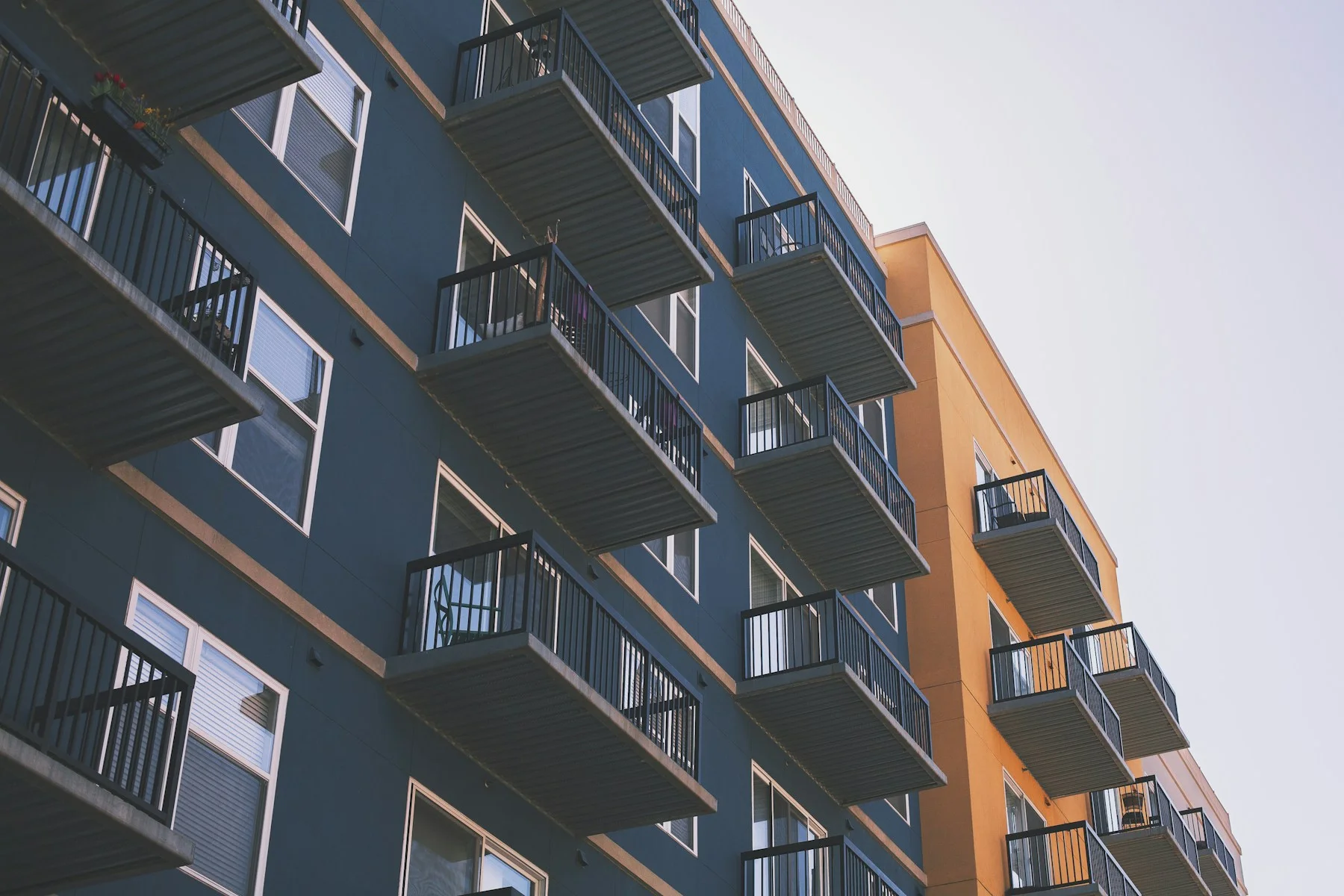
Setting the right rent for a Montreal condo comes down to three benchmarks: comparable rents in the neighbourhood, your real costs and how fast you want to lease. A fair price attracts good tenants quickly and maximizes your annual return.
Price too high and your condo sits empty for weeks — every vacant month wipes out the benefit of a higher rent. Price too low and you leave money on the table while sometimes attracting weaker applications. Here is the method for finding the right price, the data to check and the mistakes to avoid.
Start with neighbourhood comparables
The first step is to look at what's actually renting around you. Review current listings for similar condos — same neighbourhood, same number of bedrooms, comparable inclusions — and note how long they stay online: a listing that lingers usually signals a price set too high. Average rent data from the TAL and CMHC reports provide useful context, but active listings in your area reflect the market right now.
Compare what is truly comparable: a renovated three-and-a-half with parking in Rosemont doesn't compare to a three-and-a-half without parking in Hochelaga. Floor, light, a terrace, in-unit laundry and included appliances all move the price.
A real-world Montreal example
Eric owns a two-bedroom condo in the Tisseur district of Lachine, bought as an investment. Comparable condos in the area are listed between $1,700 and $1,850 a month. His is recent, with indoor parking and air conditioning. He lists at $1,795 with appliances included.
The result: six serious applications in ten days, a tenant chosen after screening, and no lost income between leases. His neighbour across the hall, who started at $1,950 "just to try," cut his price twice over six weeks — losing more than a month's rent, roughly $1,800 — before finally renting at $1,850. The math is simple: one vacant month often costs more than a year of a $50 monthly difference.
Calculate your real costs
The rent must cover your expenses and leave a margin. Add up: mortgage payment, condo fees, municipal and school taxes, insurance, routine maintenance and a reserve for repairs and vacant periods. Many owners forget the reserve: a sound habit is to set aside an amount each month for surprises — a washer to replace, a leaking faucet, two weeks of vacancy between tenants.
This calculation gives you your floor: the rent below which the operation loses money. The market gives you the ceiling. The right price sits between the two, closer to the market than to your wishes.
Adjust based on leasing speed
The price isn't set in stone. If you have no viewings after a week or two of listing, the market is sending you a signal. Conversely, if you receive twenty applications in 48 hours, your price is probably below market — which is fine if your goal is the largest possible pool of tenants.
Think in annual return rather than monthly rent: $1,750 with zero vacancy earns more than $1,850 with six empty weeks. Our article on screening tenants properly and fairly explains how to make the most of a larger candidate pool.
Increases at renewal
Once a tenant is in place, rent adjustments follow Quebec's lease renewal rules: a notice sent within the deadlines (3 to 6 months before the end of a lease of 12 months or more), with a reasonable justification based on the building's expenses and any work done. The TAL publishes calculation examples each year and can set the rent if the tenant refuses. Our guide to lease renewal in Quebec details those deadlines.
A modest, justified increase each year beats a sudden catch-up: it preserves the relationship with a good tenant — and a stable tenant is often your best return.
Presentation: the other price lever
At equal rent, presentation is what changes the speed. Professional photos, taken in daylight with a tidy unit, generate noticeably more applications than dark phone snapshots. The description must be precise: inclusions, availability date, neighbourhood, transit, pet policy — every missing detail is one more question that slows the candidate down.
A clean, well-presented unit also attracts better candidates: careful tenants recognize a careful owner. A paint refresh or replacing a tired light fixture before listing often pays for itself through a faster rental at a better price.
The role of inclusions in perceived price
Two condos at the same rent are not equal if one includes parking, appliances and hot water. Inclusions change the perceived price: a tenant often compares the total cost of their monthly life, not just the rent. An $1,800 all-inclusive rent can be more competitive than a $1,700 rent plus $150 for parking and $100 for electricity.
When setting your price, also decide on the structure: all-inclusive, partially included, or base rent only. Clarity pays: a listing that details inclusions precisely attracts better-qualified candidates and avoids misunderstandings when the lease is signed.
When to review your price
The right price isn't set once and for all. Review it at every tenant turnover and every renewal: the market moves, and so do your costs. A condo that rented in 48 hours last year may deserve a slightly higher price this year; conversely, a wave of new buildings in the neighbourhood can put pressure on rents.
Also watch the seasonality of Montreal's market: demand peaks in spring, ahead of July 1. Renting in high season supports the price; renting in the fall sometimes requires a small adjustment or an incentive, like an appliance included. The annual total is what counts, not the monthly figure alone.
FAQ
How do I know if my rent is too high?
Few or no viewings after a week or two of listing, visitors who don't call back, or cheaper comparables renting before you: those are the classic signals. Adjust quickly rather than waiting.
Can I set any rent I want for a first rental?
Generally yes: the initial rent is set freely, subject to specific rules for certain new or recently converted units, where the lowest rent paid in the past 12 months must be disclosed. Check the TAL rules for your situation.
Do included furniture and appliances justify a higher rent?
Yes, a furnished condo or one with appliances generally rents for more, especially with tenants in transition. Still, factor wear and eventual replacement into your profitability calculation.
When should I list my condo for a July 1 move-in?
Plan two to three months ahead: serious tenants start early, and listing in April or May for a July occupancy maximizes your candidate pool.
Can a manager really get a better rent?
A manager knows real-time comparables, knows how to present the unit (photos, description) and processes applications quickly — three factors that cut vacancy and support the price. Ask for an analysis of your area to see for yourself.
Want to know the optimal rent for your condo? Request a free evaluation — our team analyzes your area and answers within 4 business hours.
General information: rules and circumstances may vary. Check official sources or consult a professional about your situation.