
Owners
Preventive maintenance: protecting your property's value
7 min read · Gestion Condo
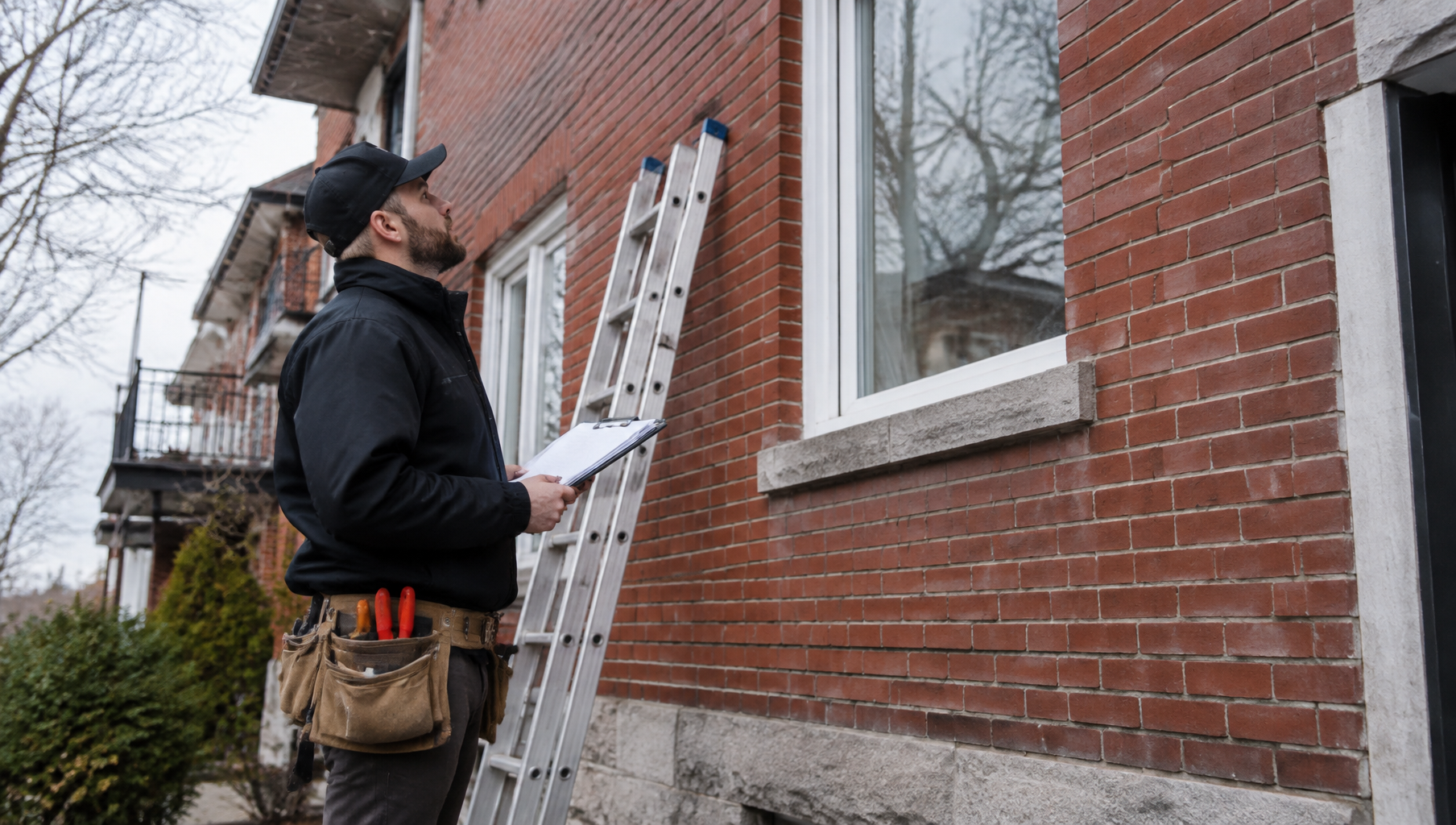
Preventive maintenance for a rental property means inspecting and repairing before problems surface: roofs, windows, plumbing, heating and brickwork all age better when cared for early. Every dollar of prevention saves several in emergency repairs.
An owner who waits for a breakdown pays twice: the repair itself — faster and more expensive in an emergency — and the accelerated wear on the rest of the building. Here's how to structure a preventive maintenance program that protects your property's value year after year.
Why prevention costs less than repair
A small crack in a brick joint costs a few hundred dollars to repoint. Left alone, it lets water in, freezes in winter, and a few years later an entire wall section needs rebuilding — a bill in the thousands. The same logic applies everywhere: a lifted shingle becomes a leak, an aging washer hose becomes water damage, a furnace that's never cleaned fails in January.
Preventive maintenance also protects your income: a well-maintained building attracts better tenants, rents faster and supports the right price — our article on setting the right rent for your Montreal condo explores that link.
The maintenance calendar, season by season
In spring: inspect the roof and gutters after winter, check for cracks in brickwork and foundations, clean drains, test sump pumps, check caulking before the rainy season.
In summer: maintain balconies and exterior stairs, check siding, trim vegetation touching the building, and schedule masonry and exterior painting work that needs warm weather.
In fall: have heating systems inspected and cleaned before the cold season, shut off outdoor faucets, check insulation on exposed pipes, and clean gutters one last time after the leaves fall.
In winter: watch snow and ice buildup on roofs and balconies, keep entrances safe, and keep an eye on pipes during deep freezes.
A real-world Montreal example
Marc owns a 1920 fourplex in Verdun. Every spring, he has the roof and masonry inspected; every fall, a technician services the four heating systems. His program's annual cost: about $2,500.
Three years ago, the spring inspection spotted an early sag in the roof membrane above the back bedroom. Immediate repair: $900. His neighbour, who owns a twin building, inspected nothing. The following winter, the same weakness gave way under snow at his place: a leak, a ceiling to redo, a tenant rehoused for a week. Total bill: over $12,000, not counting the friction with the tenant. The difference between the two buildings isn't luck — it's the calendar.
Keep a log and a budget
A maintenance log — even a simple spreadsheet — changes everything: the date of each inspection, work done, invoices, photos, estimated lifespan of components (roof, windows, water heater). This document helps you forecast major expenses instead of enduring them, and it gains value at resale, because it proves the building was cared for.
On the budget side, set aside a monthly reserve for maintenance and repairs, proportional to the building's age and size. A century-old brick building needs a more generous reserve than a recent condo. This discipline mirrors the logic of the contingency fund in a condominium — our article on the contingency fund explains how syndicates plan these same expenses.
Costly mistakes to avoid
The first is waiting for the tenant's complaint: by the time the tenant sees the problem, it's often already advanced. The second is systematically choosing the cheapest quote without checking the contractor's insurance and licence — in Quebec, verify the RBQ licence. The third is neglecting small repairs between tenants: a well-used turnover is the best moment to refresh, repair and restart on solid ground.
Finally, document everything. In the event of a loss or dispute, your dated photos and invoices are your best defence — and they also reassure tenants about the quality of management, which helps keep them. Stable tenants mean less vacancy and less wear: our guide to screening tenants properly and fairly rounds out that thinking.
Working with the right contractors
A maintenance program is only as good as the people executing it. Build yourself a list of reliable contractors before you need them: plumber, electrician, roofer, mason, heating technician. Verify the RBQ licence, liability insurance and ask for references. The day a pipe bursts on a Sunday evening, you'll be glad to have a number to call rather than a panicked search.
Get written quotes for significant work and compare the scope, not just the price: a cheaper quote that excludes finishing or cleanup isn't cheaper in the end. Pay according to progress, never everything upfront, and keep written warranties.
Maintenance and the condominium: who does what
If your rental property is a condo, part of the preventive maintenance falls to the syndicate: building envelope, roof, common areas. Your responsibility as an owner covers the unit's interior: appliances, interior plumbing, finishes, exclusive systems. The exact boundary is in the declaration of co-ownership — read it before planning.
Coordinate with the syndicate: if facade repointing is planned in two years, there's no point redoing your balconies this year. Conversely, quickly report to the syndicate any problem touching common areas — a leak that starts in your unit may come from the envelope. A good relationship between owner and syndicate is one of the best value-preservation tools.
Emergencies: being ready before they happen
Even the best program can't prevent everything: a water heater gives out, a pipe freezes, a sewer backs up. What distinguishes a well-run building is the response speed. Prepare a simple emergency plan: the list of contractors to call, the location of water shut-off valves and electrical panels, and a clear way for tenants to report a problem at any hour.
Share this information with your tenants at move-in: a tenant who knows where the main valve is can limit damage while waiting for the plumber. After each emergency, note what happened and why — sometimes it reveals a component to add to the preventive program.
FAQ
How much should I budget per year for rental property maintenance?
It depends on the building's age, size and condition. What matters is budgeting a regular reserve rather than waiting for emergencies, and adjusting it based on your actual spending history.
Which inspections are the priority?
The roof, masonry, heating systems and plumbing are the four areas where an undetected problem costs the most. A full walkthrough in spring and fall covers the essentials.
Can I enter a tenant's unit to inspect it?
Yes, with at least 24 hours' notice to check the unit's condition or do work, except in emergencies. The notice must state the date, time and nature of the visit.
Does preventive maintenance really increase resale value?
Yes: a documented maintenance log reassures buyers and their inspectors, and components in good condition prevent downward negotiations after the pre-purchase inspection.
Does a property manager handle maintenance?
It's one of their main roles: planning inspections, coordinating contractors, tracking budgets and keeping records. It's also one of the tasks owners most gladly delegate.
Want a maintained building without giving up your weekends? Request a quote — our team plans maintenance and handles the surprises for you.
General information: rules and circumstances may vary. Check official sources or consult a professional about your situation.