
Owners
2027 rent increases: understanding the TAL's new method
6 min read · Gestion Condo
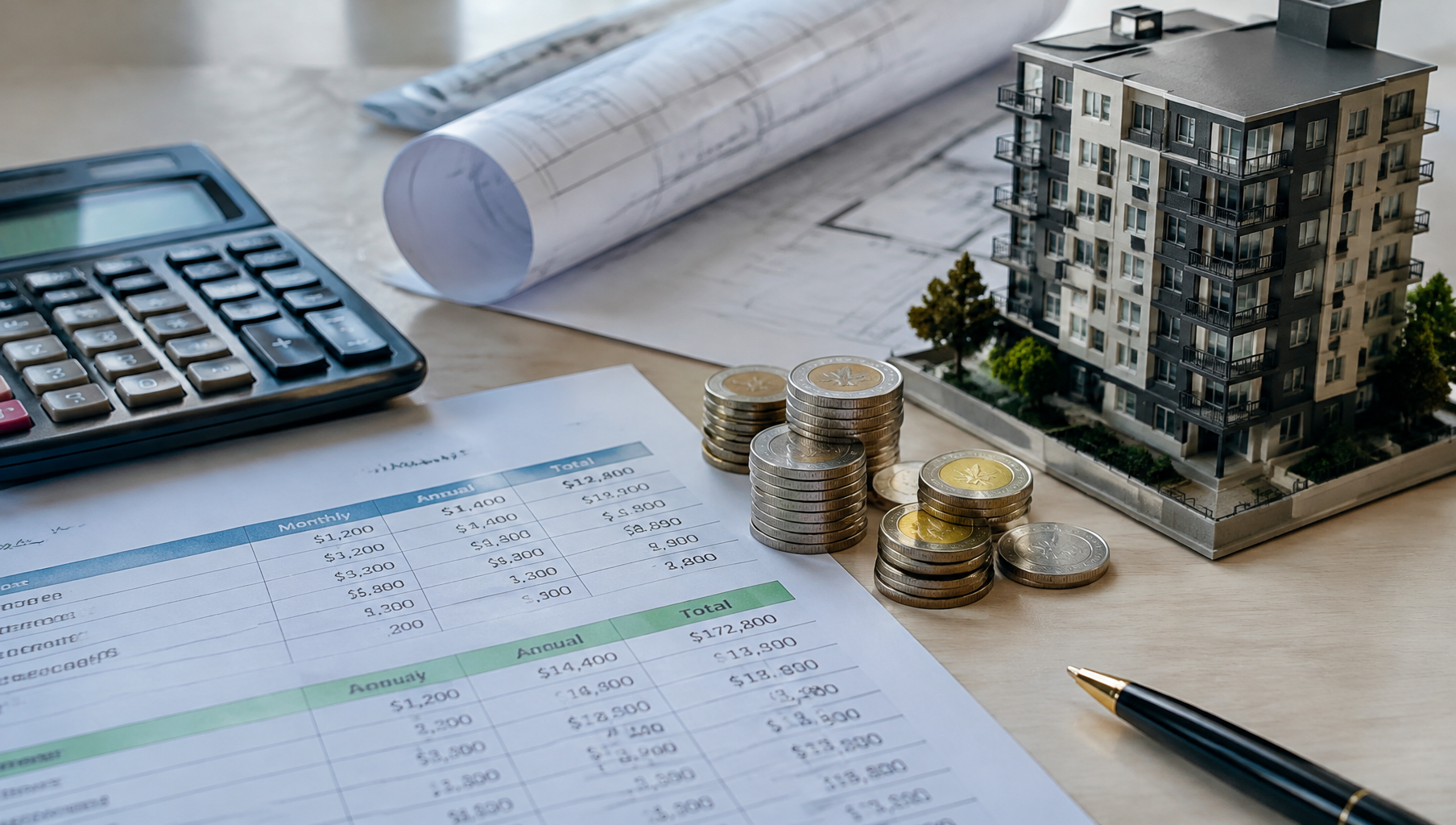
Since January 1, 2026, rent increases in Québec are calculated with a new method set by the Tribunal administratif du logement (TAL). The long twelve-criteria grid is gone: the starting point is now the three-year average of the consumer price index (CPI), plus a few specific adjustments. Notices sent this winter for July 1, 2027 renewals fall under this method.
Here is what changed, how to run the numbers and, above all, how to send a notice that holds up if your tenant refuses.
What changed in 2026
The old regulation required landlords to tally a long list of expenses: electricity, maintenance, management fees, building income and more. The new Regulation respecting the criteria for the fixing of rent simplifies things. Base rent is indexed to the three-year average of Québec's CPI. The TAL no longer publishes "suggested rates" as it used to: it publishes this reference percentage, and the calculation is built on it.
For leases starting between April 2, 2026 and April 1, 2027, that percentage was 3.1% (6.7% for the portion of rent tied to personal services in seniors' residences). The percentage for July 2027 renewals will be published by the TAL early in 2027: check its website before finalizing your notices.
The new method applies to lease-modification notices given on or after January 1, 2026. A notice sent before that date remains governed by the old regulation.
The five components of the new calculation
The first component is base indexation, using the three-year average CPI. This is the "normal" increase, with no further justification needed.
The second covers municipal and school taxes. An additional adjustment may be granted when their increase exceeds the base percentage. Only the portion above that percentage is added.
The third covers fire and liability insurance premiums. Same logic: if they rise faster than the base percentage, the difference can be added.
The fourth covers new services or accessories offered to the tenant, such as an added parking space or a new amenity.
The fifth covers major work, or capital expenditures, carried out during the reference period. The regulation sets a single 5% rate: every $1,000 invested in the unit allows $50 per year to be added to the rent, about $4.17 per month. Government assistance received for the work is deducted.
Note that electricity, heating and routine maintenance are no longer part of the calculation. There is no point compiling them to justify an increase.
A concrete example
Take a condo rented at $1,800 per month in the Sud-Ouest, with a hypothetical base percentage of 3%. Base indexation gives $54. The unit's taxes rose faster than the CPI: the excess works out to $6 per month. The owner also replaced the windows for $8,000: 5% of $8,000 is $400 per year, or $33.33 per month.
The justifiable increase would therefore be about $93, for a new rent of $1,893. The TAL's online calculation tools let you redo the exercise with your actual figures and the year's official percentage. Our article on setting the right rent explains why a realistic rent remains your best return lever.
Deadlines to respect
For a lease of 12 months or more, the written increase notice must be sent between three and six months before the lease ends. For a lease ending June 30, 2027, the window runs from January 1 to March 31, 2027. The notice must state the new rent, or the increase in dollars or as a percentage, the proposed lease term and the tenant's response deadline.
The tenant has one month after receiving the notice to respond. They can accept, refuse and stay, or say they are leaving at the end of the lease. No reply counts as acceptance. If the tenant refuses, the landlord has one month to apply to the TAL; otherwise the lease renews on the same terms. Our guide to lease renewal in Québec walks through each step.
Building a solid file
An increase above the base percentage must be supported. Keep the last two years of tax bills, insurance renewal notices and invoices for work, with payment dates. In a condo, also keep the share of syndicate-funded work that applies to your unit: these are often the documents missing at a hearing.
Explaining the calculation in a short letter attached to the notice makes a real difference. A tenant who understands where the number comes from accepts more often, and you avoid months of waiting before the Tribunal.
FAQ
Is the TAL percentage a maximum?
No. It is the basis of the calculation. A landlord can propose more if it can be justified by taxes, insurance, new services or major work. A landlord can also propose less, or a negotiated increase that the tenant freely accepts.
When will the 2027 percentage be known?
The TAL usually publishes its percentages in January. For 2026, they were released on January 19. Wait for the official publication before calculating an increase beyond indexation.
Does work on the condo's common areas count?
Capital expenditures that affect the rented unit can be taken into account, including your share of major work billed by the syndicate. Keep the special-assessment notices and the minutes that authorized them.
My tenant refuses the increase: what now?
You have one month after the refusal to file a rent-fixing application with the TAL. After that, the lease renews on the same terms. A frank discussion with the numbers in hand often settles things before it gets that far.
Does this calculation apply to a new building?
Some units in a building built or converted five years ago or less benefit from an exception, provided it is properly indicated in the lease. These rules have been tightened in recent years: check your situation with the TAL or a professional before relying on it.
Want a reliable calculation for your July renewals? Contact us: our team prepares your notices and answers within 4 business hours.
General information: rules and circumstances may vary. Check official sources or consult a professional about your situation.